Sign up for WAE Emails


“Water- a bequest of nature” bases all innovations in curbing water crisis to make our blue planet green and sustainable.
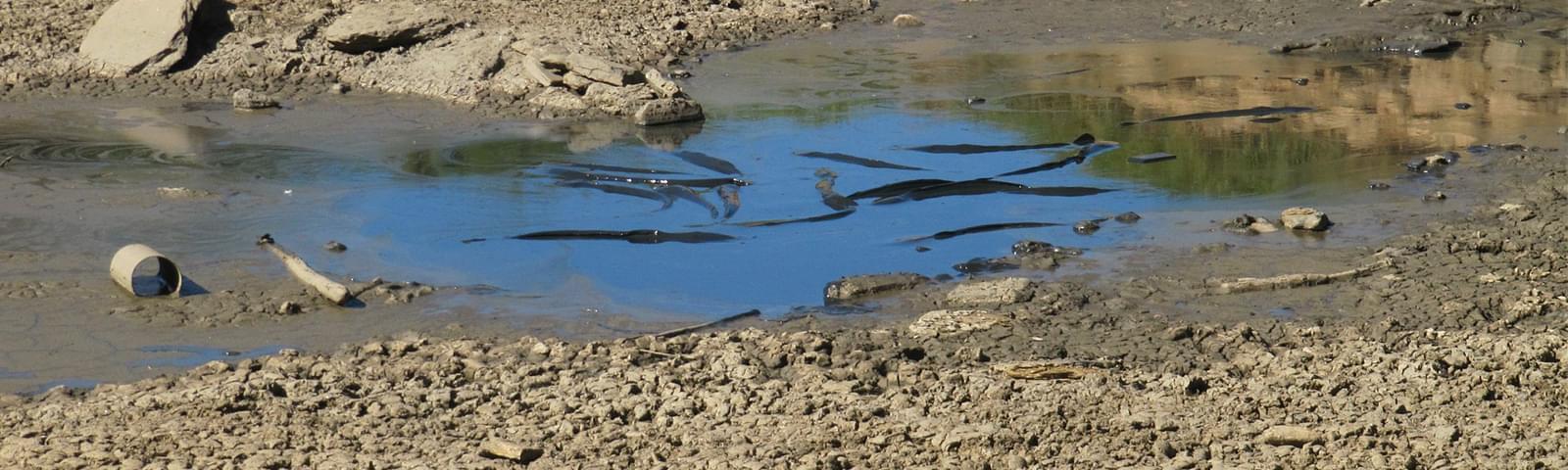
Cities across the globe are becoming thirstier and by 2050, the annual global water demand will touch more than 50 % increase. Water is integral to the beginning and sustenance of life but this very fact has been unheeded by people who consider water as a right than a privilege. Water scarcity is slowly becoming a reality even in regions where it was once in ample supply, such as, several states in the USA, UK and South Africa. Recent water crisis in Cape Town is a testimony to the fact that peril of “No-water” situation is looming large over our heads.
Organizations across the world are joining hands to battle the snags and possible catastrophe resulting from water scarcity. One of the glaring initiatives has been taken by the World Bank is to bolster the awareness about water wastage and water scarcity.
The World Bank has launched a program, Water Scarce Cities initiative (WSC) aimed towards effectual and pioneering means of managing water resources and service delivery of water. A study by Berkley Water Center, university of California has emphasized on sustainable solutions to avoid water-scarce future in the world. Professor David Sedlak stated that instead of investing in expensive means of assuring water secure future, cities need to maintain a logical flow of activities which are sustainable and more resilient to the variations in environmental aspects. Scientists believe that waste water recycling into drinking water is a real solution to the problem along with judicious use of water for all necessities. Awareness among people about the imminent water crisis is the first step in solving this problem. Potable water recycling started off as a niche approach which was expected to be useful in limited scenarios, but as cities grappled with the decreasing water table and successive years of drought, this technology can be considered as a mainstream technique to battle water scarcity and up keeping the consistent water supply. Converting water sewage into potable water seems like an enormous task in today’s time, but this is the way forward for many cities if water crisis needs to be evaded.
At the turn of the century, water supply, urban drainage, and wastewater collection and treatment were activities isolated from the community, wherein people had less to do with the impact of efficiencies in these sectors. Nonetheless, now these should be looked upon as means to incorporate communities and imbibe ways to convert sewage to drinking water safely and reliably.
The challenge, however remains that no two cities or circumstances are same and a standard process can't be applied without calibrating for the variables. For instance, a treatment wetland that may be impactful in an area may be futile in another because of the expensive land. Similarly, a reverse osmosis treatment process can be effective in a coastal region but will prove to be unreasonable in an inland region because of the high cost involved in treatment and disposal of the concentrate after the treatment process. Considering the above, it is imperative for cities to embark on a journey towards a more sustainable means of securing water supply and thus make continual investment in water infrastructure. Water experts around the world should take this as a major challenge and summon communities to play a larger role in combating a water-scarce future. Water activists and scientists should be entrusted with a responsibility of this social cause which goes beyond their current realm of actions.
END

In our minds, we almost instinctively associate the word ‘Cotton’…

As individuals and as a community, we need to be…

PoU water dispenser purifies waters through reverse osmosis and comprises…

The concept of drinking water fountain is new to India,…

