Sign up for WAE Emails


“Water- a bequest of nature” bases all innovations in curbing water crisis to make our blue planet green and sustainable.
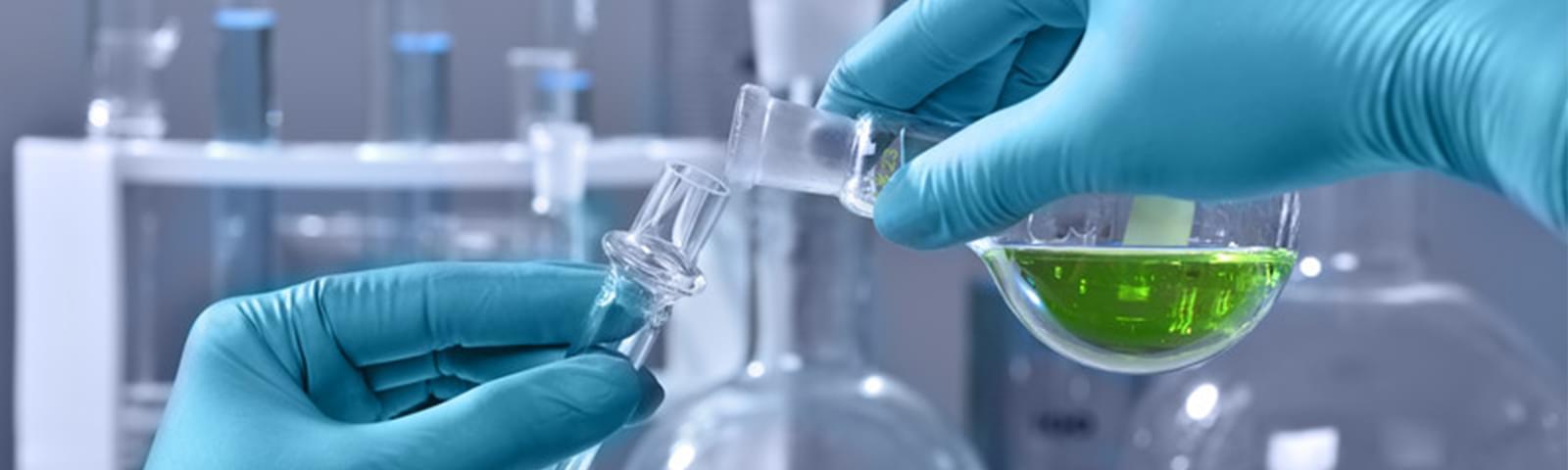
Dodging the commonly prevailing view that livestock is the highest contributor to water pollution, there comes the data that reveals humans as the biggest polluter of water bodies. An average city dweller puts 40 times more wastewater into water channels than a cow. Owing to the level of water pollution at a global scale, government bodies have made it mandatory to test the level of organic waste in water at regular intervals. There are three distinguished indicators of the extent of water pollution, all of them being indicators of organic carbon in the water: Biochemical Oxygen Demand, Chemical Oxygen Demand and, Total Organic Carbon.
Water, in its natural form, contains dissolved organic compounds to a certain extent and the microbial flora and fauna oxidize the organic matter to generate fuel for their sustenance releasing energy and carbon dioxide. The microbial metabolism owing to the presence of organic matter in water leads to the consumption of dissolved oxygen which is known as biochemical oxygen demand or BOD. This is the measure of oxygen present in the water which is depleted in proportion to the organic matter present, which in turn results in lower quality of water for the aquatic life.

BOD is measured to draw inference about the level of water pollution in terms of bio-degradable waste in the water bodies which is used by generations of a microbial population through microbial growth, death, degeneration, and anthropophagy. BOD is measured by incubating the water sample at 200 Degree Celsius which is to simulate the organic degradation in nature. The purest form of river water is expected to have BOD levels below 1 mg/L. A water body polluted to an average level has a BOD between 2 to 8 mg/L and highly polluted water body will exceed BOD of 8 mg/L.
Another way of measuring the degree of water pollution is level of depleted oxygen in oxidizing the organic matter by a chemical solution, known as Chemical Oxygen Demand or COD. Both COD and BOD measure the extent of organic waste in the water, but COD is a less specific measure as it indicates the quantity of all the matter that can be chemically oxidized instead of just bio-degradable waste. COD is a good indicator of oxidable chemical waste in the water and thus most water pollution controls focus on COD as it also reports the reduced substances like sulfides, sulfites, ferrous iron along with organic carbon.
The third indicator of water pollution is Total Organic Carbon which measures all organic carbon present in water sample as Carbon Dioxide, therefore all inorganic carbon needs to be removed before the test. TOC is a better measure of water pollution than BOD as it doesn’t differentiate between the proportions of organic carbon that can be metabolized by microorganisms. BOD has been a test that is widely applied in determining the waste load of wastewater treatment plants and its efficiency, however, it is restricted in its application in industrial wastewater where the pollutants might contain heavy metal ions, cyanides, and other toxic substances. These tests are quantitative in nature and thus they put a figure to the degree of pollution in a water sample from a source.It in turn is helpful in determining the impact of industrial, domestic and chemical activities around the water body. Also, they help civic bodies to enforce limits and controls over the pollutants. For example, certain municipal bodies measure the quantity of chemical waste in the water stream to gauge the degree of treatment required to make the incoming stream devoid of any chemicals.
END

In our minds, we almost instinctively associate the word ‘Cotton’…

As individuals and as a community, we need to be…

PoU water dispenser purifies waters through reverse osmosis and comprises…

The concept of drinking water fountain is new to India,…

